Home Birth Prep: What You Really Need to Know
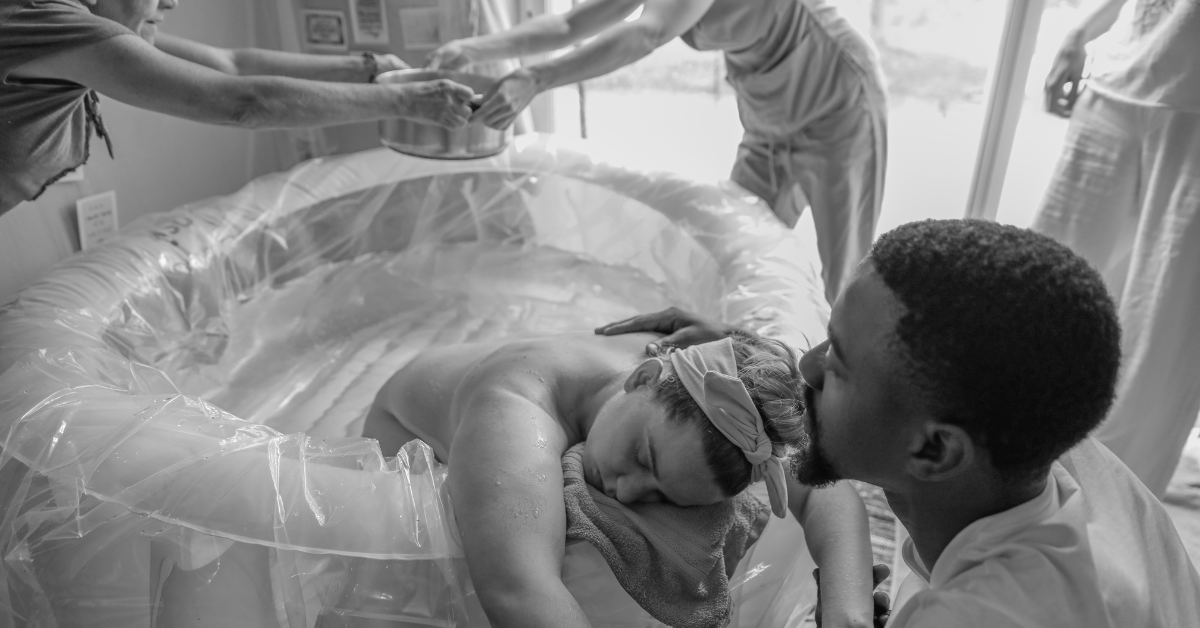
Choosing to birth at home is one of the most informed, intentional decisions a mother can make.
It is also one of the most misunderstood. Home birth is not a fringe choice or a rejection of safety. For low-risk pregnancies, it is a well-supported option with a strong evidence base, and for many women it is the most empowering experience of their lives.
If you are considering it, here is what the preparation actually looks like.
Find the right midwife first
Everything else follows from this. A registered, experienced homebirth midwife is not optional. She is the whole architecture of your safety plan. Interview at least two or three before deciding. Ask about their transfer rate, their hospital relationships, their experience with complications, and what their backup protocol is. You want someone who is genuinely experienced, not just philosophically aligned with your values.
In Australia, NZ, the UK and Canada, homebirth midwives operate within regulatory frameworks. Know the rules in your state or territory before you assume what is possible.
Know your risk profile honestly
Home birth is appropriate for low-risk pregnancies. That means a single baby, head down, full term, with no significant complications in your history or current pregnancy. Conditions like pre-eclampsia, placenta previa, a previous caesarean, or a breech presentation change the risk profile significantly.
This is not about fear. It is about making a genuinely informed decision. A good midwife will have this conversation with you clearly and without judgment.
Prepare your space
Your midwife will give you a specific list based on her kit and your home setup. In general, expect to organise:
– A birth pool if you want a water birth (hire well in advance, they book out)
– Waterproof mattress covers and old sheets you do not mind losing
– Good lighting that can be dimmed, plus a portable torch for the midwife
– A heater for the room where you plan to birth
– Easy parking and access for emergency services if needed
– A hospital bag packed from 36 weeks, just in case
Have a transfer plan, not a backup plan
The language matters here. About 10% of first-time home birthers transfer to hospital during labour, usually for non-emergency reasons like slow progress or requesting pain relief. This is not failure. This is the plan working.
Know which hospital you would go to. Know the route. Make sure your midwife has a relationship with the obstetric team there. Pack your bag with transfer in mind.
Prepare the people around you
Your birth partner needs to know the plan. If you have other children, their care needs to be sorted well in advance, including a backup for if labour starts in the middle of the night. If family members are anxious or vocal about your choice, decide early how much you want them involved in the conversation.
Your birth is yours. You do not owe anyone an argument.
Home birth preparation is detailed, specific, and deeply personal. The best thing you can do is work closely with your midwife, ask every question you have, and trust that an informed choice is always the right choice.
I absolutley LOVED my home birth. It was what I wanted from the start and even when I went 2 weeks overdue, I stuck to my guns and trusted my intuition as a mother. Go checkout my full 2-part home birth story over on my Instagram account!